


Riverside sits in an arid climate zone with seasonal extremes that create serious water damage risks. Summer temperatures over 100 degrees cause pipe expansion and AC condensation overflow. Winter brings rare but intense rain events that overwhelm drainage systems built for dry conditions. The Santa Ana River floods periodically, affecting homes near Fairmount Park and Rubidoux.
Older homes in Wood Streets and Mission Inn neighborhoods have galvanized pipes prone to corrosion and sudden failure. Commercial buildings near Tyler Mall and Canyon Crest often have flat roofs that pool water after rare rain events. The sandy soil common in Arlington and La Sierra drains poorly when saturated, causing foundation seepage.
California's strict mold regulations mean you have 48 hours to dry structural materials before remediation requirements kick in. Riverside County requires licensed contractors for water damage work exceeding minor repairs. Insurance companies move fast here. They send adjusters within 24 hours and expect complete photo documentation before demolition starts. Properties near the 91 and 60 freeways face added risks from aging infrastructure and high water table issues near the Santa Ana River corridor.
Liberty Water Damage Restoration Riverside operates from a facility near University Avenue, allowing response times under one hour across the entire metro area. We maintain equipment staging in both downtown Riverside and the Orangecrest area to cover the city's sprawl efficiently.
Our team consists of eight full-time IICRC-certified technicians who live in Riverside County. They understand how water behaves in different construction types common here, from 1920s bungalows in Canyon Crest to modern stucco homes in Orangecrest. We stock parts for pressure regulators and shutoff valves specific to Riverside Water utility systems.
We own our extraction equipment, negative air machines, and thermal imaging cameras. No rentals, no delays. Our truck-mounted extractors pull 400 gallons per hour. We deploy LGR dehumidifiers rated for Riverside's low humidity baseline, which requires different drying protocols than coastal areas.
Insurance coordination is where most restoration companies fail. We photograph everything before touching it, upload to Xactimate within two hours, and communicate directly with adjusters from Farmers, State Farm, and Allstate who handle most Riverside policies. We know what these carriers approve and how to document for fast payment.
Our pricing is transparent. You get a written estimate before work starts. We break down extraction, drying, demolition, and antimicrobial treatment as separate line items. No surprises when the bill comes. We also offer direct billing to insurance companies, so you never pay out of pocket if your policy covers the loss.

We dispatch from two locations in Riverside, guaranteeing arrival within one hour across all neighborhoods. Our trucks carry extraction equipment, moisture meters, and containment barriers for immediate damage control. Every minute counts when water is spreading through drywall and subfloors.

We handle all communication with your insurance carrier and bill them directly. You pay only your deductible. Our estimators use Xactimate software that adjusters recognize, eliminating disputes over pricing. We document everything with photos, moisture readings, and detailed scope notes before starting work.
Every technician on our team holds current IICRC Water Damage Restoration certification. They follow industry protocols for extraction, drying, and microbial control. We maintain continuing education in new drying technology, moisture mapping, and California building codes that govern water damage repairs.
We own and maintain all equipment at our Riverside facility. No waiting for rental companies. Our inventory includes truck-mounted extractors, LGR dehumidifiers calibrated for inland climates, thermal cameras, and negative air machines. We stock replacement parts for immediate repairs if equipment fails on site.
Water damage restoration requires different approaches depending on the source, contamination level, and affected materials. Liberty Water Damage Restoration Riverside handles everything from clean water pipe breaks to sewage backups requiring biohazard protocols.
Our service range covers emergency water extraction, structural drying, content restoration, mold prevention, demolition, and reconstruction. We separate services into three categories based on urgency and scope. Emergency mitigation happens first to stop active damage. Restoration follows to dry and salvage materials. Reconstruction rebuilds what cannot be saved.
Each category requires different equipment, certifications, and insurance protocols. Emergency water removal demands immediate response with extraction equipment. Structural drying takes three to seven days with constant monitoring. Reconstruction involves licensed contractors, permits, and inspections. We handle all three phases so you work with one company from flood to finished repairs. This eliminates coordination problems between emergency crews, restoration specialists, and remodeling contractors who often blame each other when problems occur.
We arrive within one hour with truck-mounted extractors that remove standing water from carpets, tile, and concrete. Our crews locate the water source, shut it off, and place containment barriers to prevent spread. We extract water, remove saturated materials that cannot be saved, and begin air circulation. Emergency mitigation includes moisture mapping with thermal cameras, placing dehumidifiers, and documenting everything for your insurance claim. This phase typically takes four to eight hours depending on the amount of water and affected square footage.
Drying takes three to seven days depending on materials and saturation levels. We place commercial dehumidifiers and air movers in strategic locations, then monitor moisture levels twice daily using penetrating meters. Drywall, insulation, and framing lumber must reach specific moisture content before reconstruction begins. We adjust equipment placement based on daily readings and weather conditions. Our technicians document all readings for insurance adjusters who require proof of complete drying. We cannot rush this phase. Materials that seem dry often hold moisture in interior layers, leading to mold growth weeks later.
Once drying is complete, we handle all reconstruction work. Our licensed contractors replace drywall, insulation, flooring, cabinets, and fixtures damaged beyond repair. We match existing materials and finishes so repairs blend seamlessly. This phase includes permit acquisition, inspection coordination, and final walkthrough with your insurance adjuster. We also restore contents like furniture, documents, and electronics using specialized cleaning and drying techniques. Our goal is to return your property to pre-loss condition without you managing multiple contractors or chasing insurance payments.
Riverside properties face specific water damage risks tied to age, construction methods, and climate extremes. Homes built before 1980 have galvanized pipes that corrode from the inside, causing sudden failures without warning. Newer homes in Orangecrest and Lake Hills often have PEX plumbing that fails at compression fittings during temperature swings.
The arid climate creates unique problems. Long dry periods cause soil shrinkage that stresses foundation slabs and breaks underground supply lines. When rare rain events hit, the parched ground cannot absorb water quickly. This overwhelms gutters, causes ponding near foundations, and floods low-lying areas near the Santa Ana River. Air conditioning systems run constantly in summer, creating condensation that overflows drain pans when lines clog with dust. Swamp coolers common in older Riverside homes leak frequently, saturating attic insulation and ceiling drywall.
Supply line failures dump 10 to 15 gallons per minute into walls and ceilings. Galvanized pipes in older homes corrode internally and fail without warning. Water flows for hours if the break occurs while you are away. We see catastrophic damage in homes near Magnolia Center where original 1940s plumbing remains in use.
Sewer line blockages cause black water backups through toilets and drains. Tree roots from the massive eucalyptus and oak trees common in Wood Streets and Canyon Crest invade clay sewer lines. This requires immediate cleanup with biohazard protocols. Contaminated materials must be removed and disposed of according to California health regulations.
Intense winter storms overwhelm Riverside's drainage infrastructure built for desert conditions. Properties near the Santa Ana River face periodic flooding. Homes in Arlanza and Rubidoux sit in flood zones requiring special insurance. We handle water extraction, mud removal, and contamination cleanup after these events when multiple properties flood simultaneously.
Water heaters last only eight to ten years in Riverside's hard water conditions. When tanks fail, they release 40 to 80 gallons instantly. AC drain lines clog with dust and overflow into attics, saturating insulation and drywall. Washing machine hoses burst under high pressure from Riverside Water's distribution system. These slow leaks cause hidden damage inside walls.
When water damage happens, you need fast answers and immediate help. Our process eliminates confusion and gets crews on site quickly. You call our dispatch line and speak directly with a coordinator who asks specific questions about the water source, affected area, and current conditions.
We never send untrained call center staff. Our coordinators are experienced restoration technicians who understand water damage. They provide immediate guidance on shutting off water, moving valuables, and preventing additional damage while our crew drives to you. We dispatch within 15 minutes of your call.
Our technicians arrive in marked vehicles with all necessary equipment. They assess the damage, explain the scope of work, and provide a written estimate before starting. You approve the work plan and insurance notification process. Then extraction begins immediately. We keep you informed with daily updates, moisture reading reports, and photos showing progress. When insurance adjusters visit, we meet them on site and walk through documentation together.
We arrive within one hour and assess the damage using moisture meters and thermal cameras. Our technician identifies the water source, determines contamination category, and calculates affected square footage. You receive a detailed explanation of required work and estimated timeline. We photograph everything for insurance documentation before touching any materials. This initial assessment takes 30 to 45 minutes and establishes the scope of work and budget for restoration.
Our technicians visit twice daily during the drying phase to check moisture levels, adjust equipment, and document progress. You receive text updates with photos showing current conditions and meter readings. We communicate directly with your insurance adjuster and forward all documentation in real time. If we discover additional damage during demolition or drying, we photograph it, get approval for additional work, and notify your insurance company immediately. No surprise bills or unauthorized work.
When drying is complete, we schedule reconstruction with your approval. Our contractors match existing materials and finishes. We handle all permits and inspections required by Riverside County. You receive a final walkthrough where we demonstrate that all repairs meet code and match surrounding areas. We provide warranty documentation for all work performed. Your insurance adjuster inspects and closes the claim. We collect payment directly from your carrier.
Water damage restoration follows a specific sequence that cannot be rushed or reordered. We separate work into three distinct phases that build on each other to ensure complete restoration without mold growth or structural problems.
Our crew arrives within one hour to stop additional damage. We locate and shut off the water source, extract standing water with truck-mounted equipment, and remove saturated materials that cannot be saved. Containment barriers prevent water migration to unaffected areas. We place air movers and dehumidifiers in strategic locations based on moisture mapping. This phase includes complete photo documentation for insurance claims and takes four to eight hours depending on damage severity.
Drying requires three to seven days with constant monitoring. Our technicians visit twice daily to check moisture levels in drywall, framing, and subfloors using penetrating meters. We adjust equipment placement based on readings and environmental conditions. Materials must reach specific moisture content before reconstruction can begin. We document all readings and provide reports to insurance adjusters who require proof of complete drying before authorizing rebuild costs.
After drying verification, we rebuild damaged areas using licensed contractors. This includes drywall replacement, insulation installation, flooring, paint, and fixture reinstallation. We match existing materials and finishes so repairs blend seamlessly. All work meets Riverside County building codes and includes required permits and inspections. The final walkthrough confirms quality and completeness before we close your insurance claim and collect payment from your carrier.
Professional water damage restoration follows specific industry standards developed by the Institute of Inspection, Cleaning and Restoration Certification. These protocols govern how we classify water damage, measure moisture, and determine drying completion.
Water damage falls into three contamination categories. Category 1 is clean water from supply lines or rain. Category 2 is gray water from washing machines, dishwashers, or toilet bowls without feces. Category 3 is black water from sewage backups or flooding that contacts ground soil. Each category requires different handling procedures and disposal methods.
We also classify damage by the depth of water penetration. Class 1 affects only part of a room with minimal absorption. Class 2 affects an entire room with significant absorption into walls and carpets. Class 3 involves water from overhead or complete saturation. Class 4 requires specialty drying for hardwood, plaster, or concrete.
California requires licensed contractors for water damage work exceeding $500. Riverside County issues permits for reconstruction involving electrical, plumbing, or structural changes. We maintain a B General Contractor license and pull permits for all qualifying work. Our insurance coverage includes pollution liability for mold and contamination issues.
Drying equipment must be properly sized for the affected area. We calculate grain depression and specific humidity to determine dehumidifier capacity. Our LGR dehumidifiers remove moisture more efficiently than refrigerant models in Riverside's dry climate. We monitor progress using psychrometric calculations that account for temperature and humidity.
California health regulations require antimicrobial treatment on any materials contacted by Category 2 or 3 water. We apply EPA-registered disinfectants after cleaning and before reconstruction. Mold growth begins within 48 hours in damp materials. Our rapid response and aggressive drying prevent mold problems that trigger expensive remediation requirements.
We follow IICRC S500 Standard for water damage restoration. This includes proper classification of water contamination categories, moisture mapping protocols, equipment placement guidelines, and drying verification procedures. Our technicians maintain current certification and use industry-approved methods for extraction, structural drying, and antimicrobial treatment. Compliance with these standards ensures insurance company acceptance and prevents disputes over proper restoration methods.
Restoration costs depend on water contamination category, affected square footage, and materials requiring replacement. Emergency extraction and drying typically cost $2,000 to $8,000. Reconstruction adds $5,000 to $30,000 depending on the extent of demolition and rebuilding required. Insurance covers most losses exceeding your deductible. We provide detailed Xactimate estimates that match what adjusters use for claim evaluation. This eliminates pricing disputes and speeds approval.
Complete structural drying takes three to seven days depending on materials, saturation levels, and environmental conditions. Hardwood flooring requires longer drying than carpet. Plaster walls hold more moisture than drywall. High humidity from summer monsoons extends drying time. We cannot rush this phase. Premature reconstruction traps moisture inside walls and floors, causing mold growth and structural rot that surfaces weeks later. Insurance companies require verification of complete drying before authorizing rebuild work.
California requires B General Contractor licenses for water damage restoration work exceeding $500 total project cost. Riverside County requires permits for reconstruction involving structural, electrical, or plumbing changes. We maintain active contractor licenses, liability insurance, and workers compensation coverage. Our work complies with California building codes and passes all required inspections. Unlicensed restoration companies cannot pull permits or provide warranty protection for completed work.
This video explains the professional water damage restoration process used in Riverside, California. Topics include water contamination classification, structural drying protocols, moisture measurement techniques, and insurance documentation requirements. Liberty Water Damage Restoration Riverside demonstrates equipment used for water extraction, dehumidification, and antimicrobial treatment. The video covers IICRC standards, California licensing requirements, and typical timelines for complete restoration from emergency mitigation through reconstruction.
Liberty Water Damage Restoration Riverside serves the entire Riverside metro area from our facility near University Avenue. We respond to water damage emergencies throughout the historic neighborhoods near downtown, the suburban developments spreading toward Corona, and the hillside communities climbing toward Box Springs Mountain.
The Wood Streets and Mission Inn neighborhoods downtown contain Riverside's oldest housing stock, with homes dating to the 1890s. These properties have galvanized plumbing, knob-and-tube wiring, and plaster walls that require specialized restoration techniques. We understand how water behaves in balloon-framed construction and know which materials can be saved versus what requires replacement.
Canyon Crest and University areas near UCR feature mid-century homes with concrete slab foundations, aluminum wiring, and flat roofs prone to ponding. These properties need different approaches than newer construction. We handle water damage from failed evaporative coolers common in this area and understand how to dry homes without crawl space access.
Orangecrest, Woodcrest, and the communities along Van Buren Boulevard represent Riverside's modern expansion. These areas have homes built in the 1990s and 2000s with PEX plumbing, engineered lumber, and spray foam insulation that requires specific drying protocols. Water damage here often involves failures at compression fittings and condensation from oversized air conditioning systems.
Arlington and La Sierra sit between downtown and the 91 freeway. This area mixes older tract homes from the 1960s with newer infill development. Sandy soil common here drains poorly when saturated, causing foundation seepage during rare rain events. We handle water damage from broken sprinkler systems, pool equipment failures, and the periodic flooding that affects properties near Hole Lake and the Santa Ana River basin.
Rubidoux and Jurupa Valley on Riverside's western edge face specific risks from the Santa Ana River flood plain. These communities contain industrial properties, older housing, and commercial buildings vulnerable to storm flooding. We maintain equipment staging in this area for rapid response when weather events affect multiple properties simultaneously. Our crews understand contamination protocols required when flood water contacts ground soil and building contents.
We also serve surrounding communities including Moreno Valley, Corona, and Norco. Response times remain under 90 minutes throughout the Inland Empire. Our familiarity with Riverside County building codes, local insurance adjusters, and regional construction methods ensures efficient restoration regardless of property location.
Water damage restoration costs in Riverside typically range based on the severity and source. Minor leak cleanup might run lower, while sewage backups or extensive structural drying cost more. Factors include water category (clean, gray, or black), affected square footage, and materials damaged. Riverside homes with older plumbing or those near the Santa Ana River face unique risks that affect pricing. Most projects involve water extraction, antimicrobial treatment, and drying equipment rental. Insurance often covers sudden incidents like burst pipes. Get a detailed estimate that includes moisture mapping and thermal imaging to avoid hidden mold growth later.
Yes. Professional water damage restoration prevents catastrophic secondary damage that costs far more to fix. In Riverside's dry climate, residents often underestimate how quickly water saturates drywall, subfloors, and insulation. Within 48 hours, mold colonizes. Structural wood weakens. Electrical systems corrode. DIY efforts miss hidden moisture pockets that fester for months. Certified technicians use moisture meters and industrial dehumidifiers to document drying progress, which satisfies insurance adjusters. Skipping professional restoration to save money upfront often leads to foundation issues, health hazards, and claim denials. The investment protects your property value and family health.
Most homeowner policies in Riverside cover sudden and accidental water damage, like burst pipes, appliance malfunctions, or roof leaks from storms. Insurance typically excludes gradual damage from neglect, like slow leaks you ignored, or flood damage requiring separate flood insurance. Your adjuster will ask about maintenance records. Policies cover water extraction, structural drying, and repairs to return your home to pre-loss condition. Review your Coverage C limits and deductible. Document everything with photos before cleanup starts. Many Riverside restoration companies work directly with adjusters to streamline claims and ensure you receive maximum coverage.
Water damage restoration costs in Riverside typically range based on the severity and source. Minor leak cleanup might run lower, while sewage backups or extensive structural drying cost more. Factors include water category (clean, gray, or black), affected square footage, and materials damaged. Riverside homes with older plumbing or those near the Santa Ana River face unique risks that affect pricing. Most projects involve water extraction, antimicrobial treatment, and drying equipment rental. Insurance often covers sudden incidents like burst pipes. Get a detailed estimate that includes moisture mapping and thermal imaging to avoid hidden mold growth later.
Yes. Professional water damage restoration prevents catastrophic secondary damage that costs far more to fix. In Riverside's dry climate, residents often underestimate how quickly water saturates drywall, subfloors, and insulation. Within 48 hours, mold colonizes. Structural wood weakens. Electrical systems corrode. DIY efforts miss hidden moisture pockets that fester for months. Certified technicians use moisture meters and industrial dehumidifiers to document drying progress, which satisfies insurance adjusters. Skipping professional restoration to save money upfront often leads to foundation issues, health hazards, and claim denials. The investment protects your property value and family health.
Most homeowner policies in Riverside cover sudden and accidental water damage, like burst pipes, appliance malfunctions, or roof leaks from storms. Insurance typically excludes gradual damage from neglect, like slow leaks you ignored, or flood damage requiring separate flood insurance. Your adjuster will ask about maintenance records. Policies cover water extraction, structural drying, and repairs to return your home to pre-loss condition. Review your Coverage C limits and deductible. Document everything with photos before cleanup starts. Many Riverside restoration companies work directly with adjusters to streamline claims and ensure you receive maximum coverage.
Servpro and other national franchises sometimes offer financing through third-party lenders for large projects. Terms vary by location and your credit profile. However, financing should be a last resort. Most water damage qualifies as an insurance claim if the loss is sudden. If you face denied coverage or high deductibles, ask your restoration company about payment plans. Local Riverside contractors often provide more flexible financing options than national chains. Focus first on filing your insurance claim correctly. If you need immediate cash flow relief, some companies accept credit cards or offer 90-day same-as-cash terms.
Water damage inside walls is covered if the cause is sudden and accidental. A burst pipe inside your Riverside home's wall cavity qualifies. Slow leaks from poor maintenance do not. The challenge is proving the timeline. Insurers deny claims when evidence suggests long-term neglect. Walls require immediate attention because trapped moisture feeds mold and rots framing lumber. Restoration teams use thermal cameras to detect hidden saturation behind drywall. If your adjuster questions the timeline, moisture readings and documentation from a certified technician strengthen your case. Never delay reporting wall damage, even minor stains.
Servpro and similar franchises typically complete water extraction and initial drying within three to five days for standard residential losses in Riverside. Total project time depends on humidity levels, materials affected, and structural complexity. Drying wood framing and concrete takes longer than carpet. Delays happen if the adjuster needs multiple inspections or if your home has asbestos-containing materials requiring abatement. National chains often juggle multiple jobs simultaneously, which can slow response times during busy seasons. Local Riverside restoration companies frequently finish faster because they focus on fewer projects and know local building codes better.
Water damage restoration costs reflect hidden labor and equipment most homeowners never see. Industrial dehumidifiers and air movers run 24/7 for days, spiking electricity bills. Technicians must remove baseboards, drill weep holes, and monitor moisture levels daily using expensive meters. Antimicrobial treatments prevent mold litigation. Disposal fees for contaminated materials add up fast, especially with sewage losses. Riverside's building codes require specific drying standards before reconstruction begins. Insurance companies demand documentation at every step. You pay for expertise that prevents future liability. Cutting corners leads to mold, foundation settling, and health hazards that cost exponentially more.
Permanent water damage shows specific red flags Riverside homeowners should recognize. Warped hardwood floors that stay cupped after drying indicate subfloor rot. Drywall that crumbles when pressed or shows persistent staining means the gypsum core broke down. Check baseboards for separation from walls. Smell musty odors even after cleaning. Look for efflorescence, white mineral deposits on concrete that signal repeated moisture. Ceiling stains that reappear suggest active leaks. Use a moisture meter to test suspect areas. Readings above 16 percent in wood framing mean ongoing problems. Permanent damage requires replacement, not just drying.
Call a water restoration company immediately when you discover standing water, saturated carpets, or active leaks you cannot stop in your Riverside home. Do not wait to see if it dries on its own. The 48-hour window is critical before mold growth begins. Call if you notice ceiling stains spreading, drywall feeling soft, or musty odors. Sewage backups require emergency response due to biohazard risks. If your water heater fails or a pipe bursts overnight, professionals extract water and start drying before secondary damage occurs. Time is your enemy. Every hour delays permanent damage and increases restoration costs.
Riverside insurers deny water damage claims for several specific reasons. Gradual damage from maintenance neglect tops the list. If the adjuster finds evidence you knew about the leak and delayed repairs, expect denial. Flood damage without separate flood insurance gets rejected. Claims filed months after the loss raise red flags. Policies exclude damage from earth movement, including settling that cracks pipes. Some carriers deny claims when homeowners make temporary repairs before the adjuster inspects. Always document the loss immediately with photos, stop the water source if safe, and file within 24 hours to avoid coverage disputes.
Servpro and other national franchises sometimes offer financing through third-party lenders for large projects. Terms vary by location and your credit profile. However, financing should be a last resort. Most water damage qualifies as an insurance claim if the loss is sudden. If you face denied coverage or high deductibles, ask your restoration company about payment plans. Local Riverside contractors often provide more flexible financing options than national chains. Focus first on filing your insurance claim correctly. If you need immediate cash flow relief, some companies accept credit cards or offer 90-day same-as-cash terms.
Water damage inside walls is covered if the cause is sudden and accidental. A burst pipe inside your Riverside home's wall cavity qualifies. Slow leaks from poor maintenance do not. The challenge is proving the timeline. Insurers deny claims when evidence suggests long-term neglect. Walls require immediate attention because trapped moisture feeds mold and rots framing lumber. Restoration teams use thermal cameras to detect hidden saturation behind drywall. If your adjuster questions the timeline, moisture readings and documentation from a certified technician strengthen your case. Never delay reporting wall damage, even minor stains.
Servpro and similar franchises typically complete water extraction and initial drying within three to five days for standard residential losses in Riverside. Total project time depends on humidity levels, materials affected, and structural complexity. Drying wood framing and concrete takes longer than carpet. Delays happen if the adjuster needs multiple inspections or if your home has asbestos-containing materials requiring abatement. National chains often juggle multiple jobs simultaneously, which can slow response times during busy seasons. Local Riverside restoration companies frequently finish faster because they focus on fewer projects and know local building codes better.
Water damage restoration costs reflect hidden labor and equipment most homeowners never see. Industrial dehumidifiers and air movers run 24/7 for days, spiking electricity bills. Technicians must remove baseboards, drill weep holes, and monitor moisture levels daily using expensive meters. Antimicrobial treatments prevent mold litigation. Disposal fees for contaminated materials add up fast, especially with sewage losses. Riverside's building codes require specific drying standards before reconstruction begins. Insurance companies demand documentation at every step. You pay for expertise that prevents future liability. Cutting corners leads to mold, foundation settling, and health hazards that cost exponentially more.
Permanent water damage shows specific red flags Riverside homeowners should recognize. Warped hardwood floors that stay cupped after drying indicate subfloor rot. Drywall that crumbles when pressed or shows persistent staining means the gypsum core broke down. Check baseboards for separation from walls. Smell musty odors even after cleaning. Look for efflorescence, white mineral deposits on concrete that signal repeated moisture. Ceiling stains that reappear suggest active leaks. Use a moisture meter to test suspect areas. Readings above 16 percent in wood framing mean ongoing problems. Permanent damage requires replacement, not just drying.
Call a water restoration company immediately when you discover standing water, saturated carpets, or active leaks you cannot stop in your Riverside home. Do not wait to see if it dries on its own. The 48-hour window is critical before mold growth begins. Call if you notice ceiling stains spreading, drywall feeling soft, or musty odors. Sewage backups require emergency response due to biohazard risks. If your water heater fails or a pipe bursts overnight, professionals extract water and start drying before secondary damage occurs. Time is your enemy. Every hour delays permanent damage and increases restoration costs.
Riverside insurers deny water damage claims for several specific reasons. Gradual damage from maintenance neglect tops the list. If the adjuster finds evidence you knew about the leak and delayed repairs, expect denial. Flood damage without separate flood insurance gets rejected. Claims filed months after the loss raise red flags. Policies exclude damage from earth movement, including settling that cracks pipes. Some carriers deny claims when homeowners make temporary repairs before the adjuster inspects. Always document the loss immediately with photos, stop the water source if safe, and file within 24 hours to avoid coverage disputes.
We are dedicated to serving the entire Riverside area and its neighboring communities with fast and reliable water damage restoration services. Whether you’re a resident or a business owner, our team is ready to respond to your call. Use the map below to see our service area, or call us directly to confirm if we can dispatch a team to your location for an immediate emergency response.
Address:
Riverside, CA, 92507

How hydrostatic pressure from Riverside's wet soil can force water through your foundation\n\nHeavy rains in Riverside's Inland Empire create a hidden threat to your home's foundation. When water saturates the clay-heavy soil around your property…
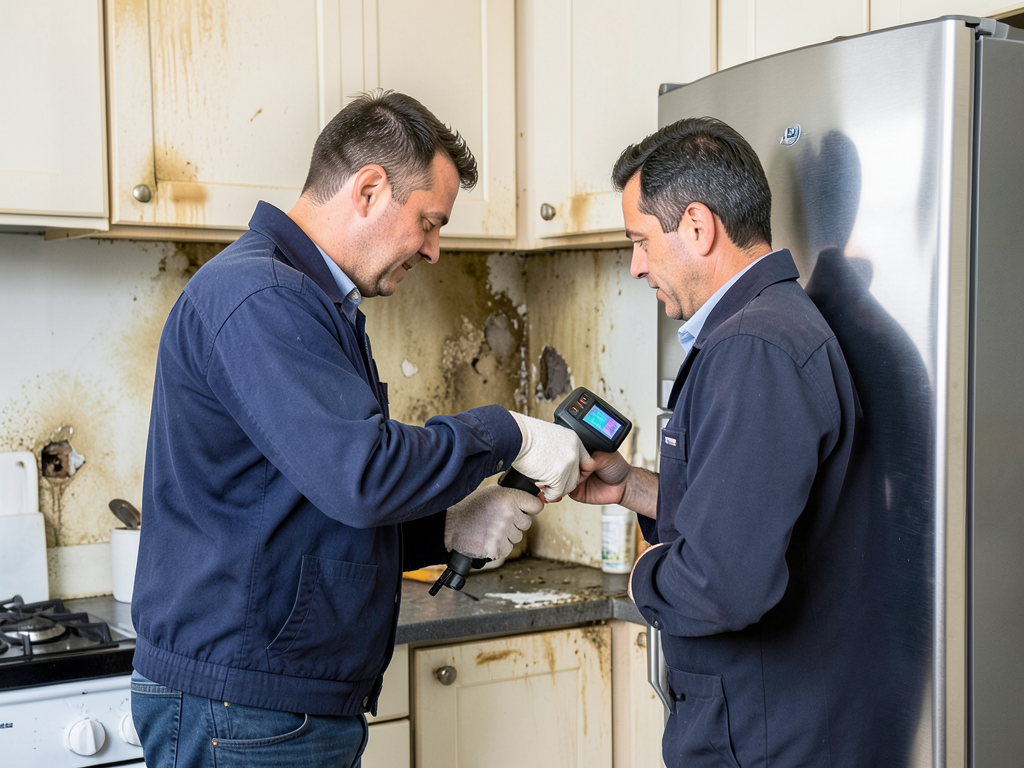
Why your ice maker line is a ticking time bomb for your kitchen floor Ice…
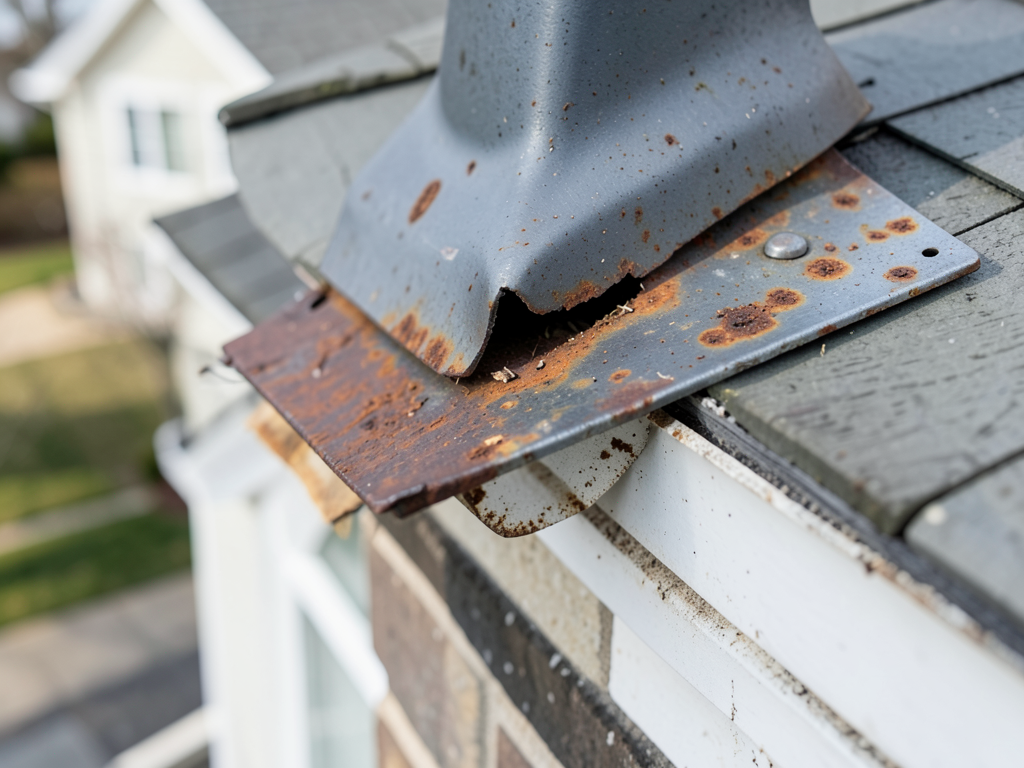
How to spot the signs of a chimney leak before it ruins your Riverside living…
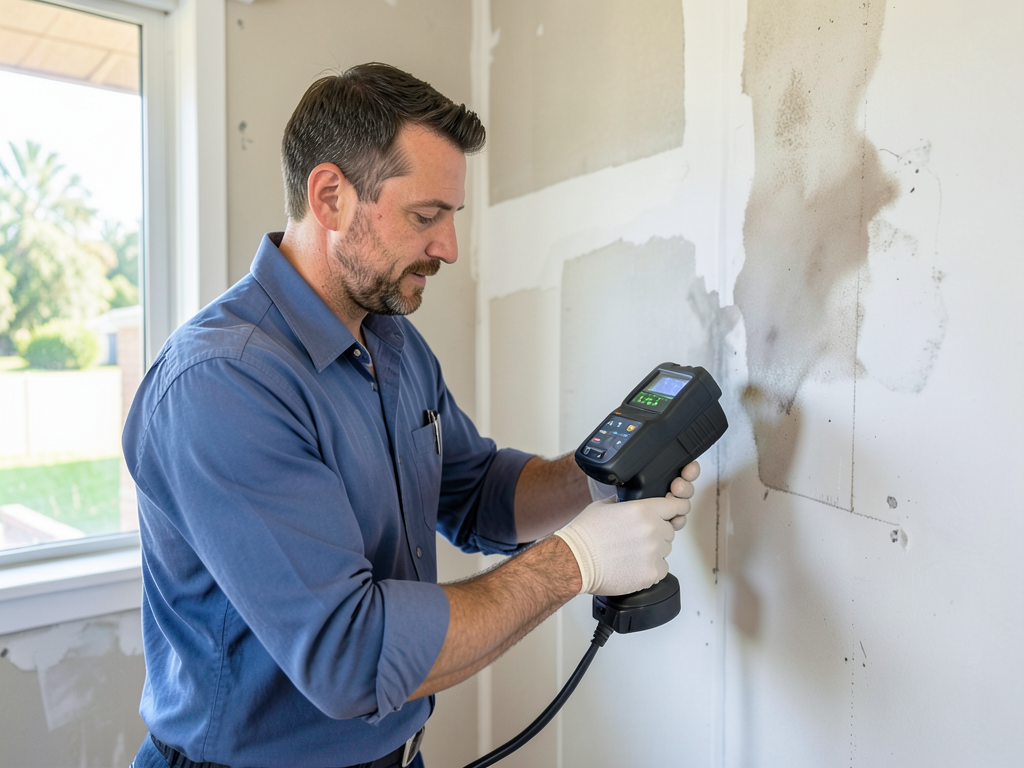
The most common plumbing mistakes Riverside DIYers make that lead to floods DIY plumbing projects…
Water damage spreads every minute. Call Liberty Water Damage Restoration Riverside now at (951) 309-5499 for immediate response. Our crews are standing by 24/7 with equipment ready to stop the damage and start drying your property today.